University of BariDepartment of InformaticsIntelligent Interfaces | |||||||||||||||||||
| Home | Research | People | Meetings | Projects | |||||||||||||||
Tools To Simulate Affective Monologs or Dialogs by ECAs |
 |
 |
|
Objective |
|||||||||||||||||||||||||||||||||||||||||||||||||||||||||||||||||||||||||||||||||||||||||||||||||||||||||||||||||||||||||||||||||||||||||||||||||||||||||||||||
|
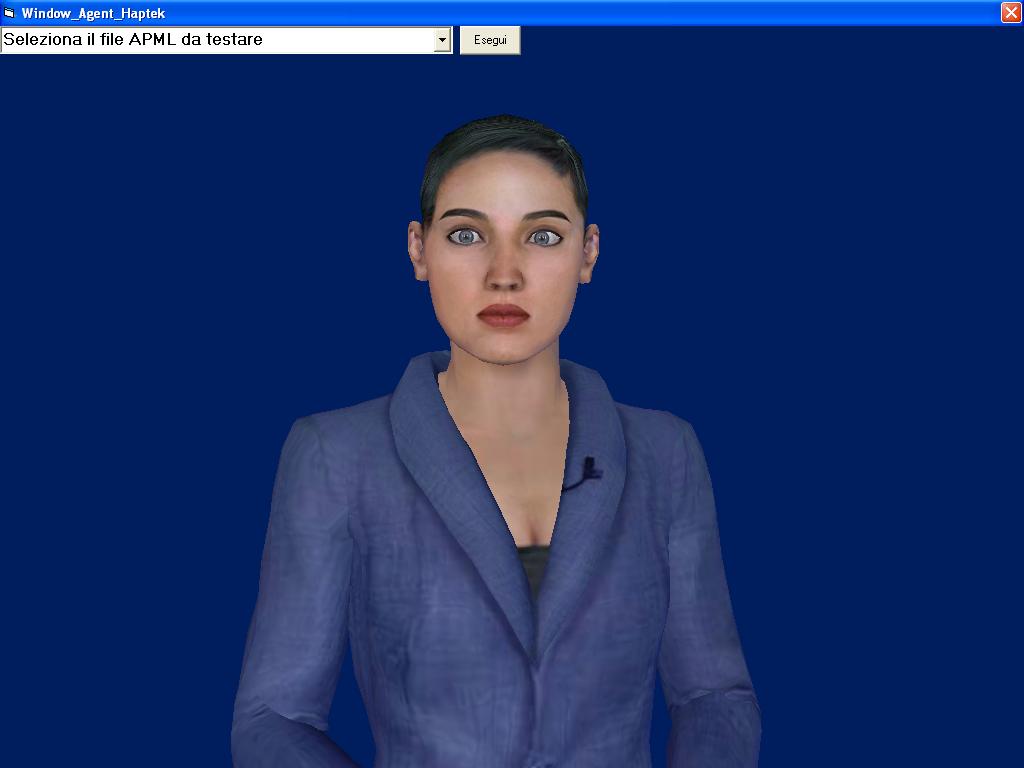
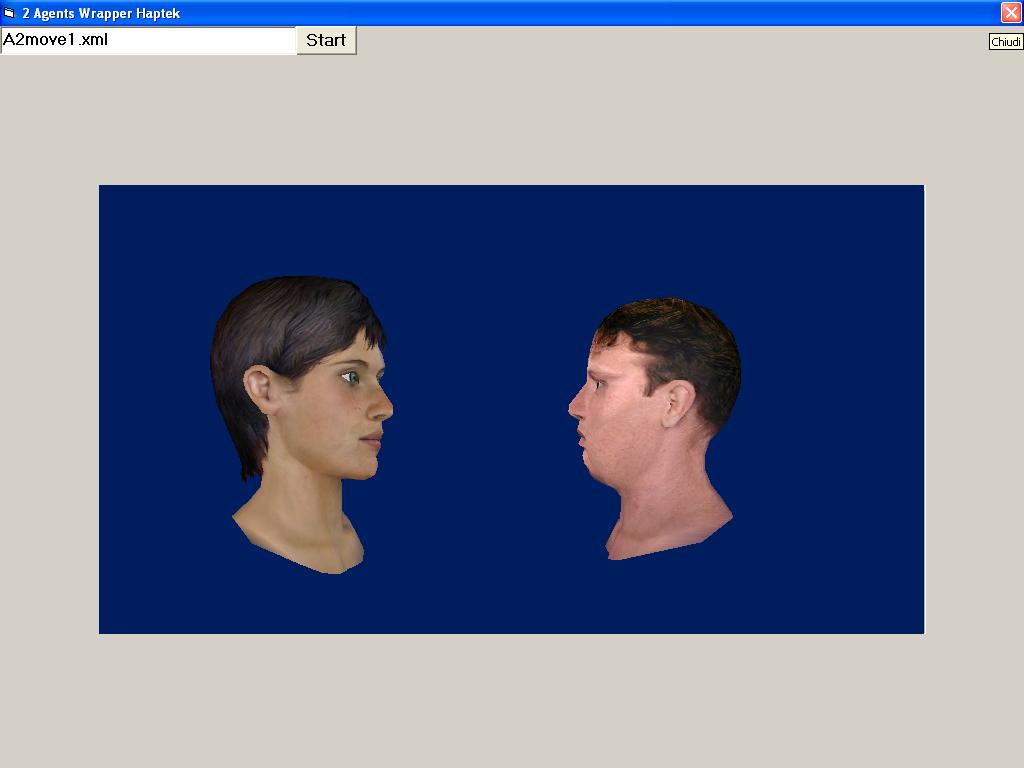
The purpose of these tools is to simulate monologs or pre-compiled dialogs between two Embodied Animated Agents with various personalities and expressive capabilities and in various domains. | |||||||||||||||||||||||||||||||||||||||||||||||||||||||||||||||||||||||||||||||||||||||||||||||||||||||||||||||||||||||||||||||||||||||||||||||||||||||||||||||
|
Participants |
|||||||||||||||||||||||||||||||||||||||||||||||||||||||||||||||||||||||||||||||||||||||||||||||||||||||||||||||||||||||||||||||||||||||||||||||||||||||||||||||
|
Giuseppe Clarizio | |||||||||||||||||||||||||||||||||||||||||||||||||||||||||||||||||||||||||||||||||||||||||||||||||||||||||||||||||||||||||||||||||||||||||||||||||||||||||||||||
|
Architecture and Language |
|||||||||||||||||||||||||||||||||||||||||||||||||||||||||||||||||||||||||||||||||||||||||||||||||||||||||||||||||||||||||||||||||||||||||||||||||||||||||||||||
|
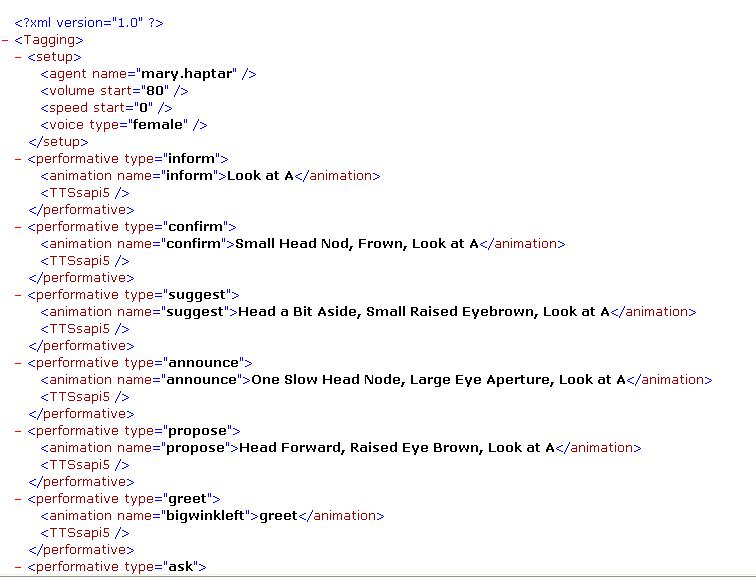
The two tools are written in Visual Basic 6.0. 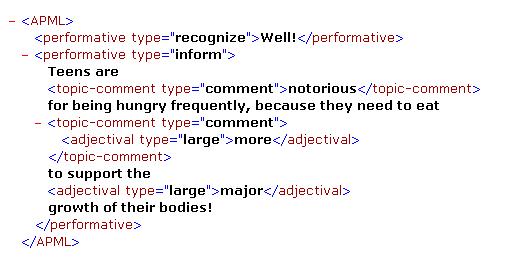 A wrapper enables translating 'meanings' in the input strings into agents' expressions ('signals'). The meaning-signal table is represented as a XML file (see the figure for a portion of an example table) and may be varied, so as to enable endowing the agents with various 'personalities' in pronouncing their moves. | |||||||||||||||||||||||||||||||||||||||||||||||||||||||||||||||||||||||||||||||||||||||||||||||||||||||||||||||||||||||||||||||||||||||||||||||||||||||||||||||
 | |||||||||||||||||||||||||||||||||||||||||||||||||||||||||||||||||||||||||||||||||||||||||||||||||||||||||||||||||||||||||||||||||||||||||||||||||||||||||||||||
|
| |||||||||||||||||||||||||||||||||||||||||||||||||||||||||||||||||||||||||||||||||||||||||||||||||||||||||||||||||||||||||||||||||||||||||||||||||||||||||||||||
|
Publications |
|||||||||||||||||||||||||||||||||||||||||||||||||||||||||||||||||||||||||||||||||||||||||||||||||||||||||||||||||||||||||||||||||||||||||||||||||||||||||||||||
|
APML: a markup language for believable behavior generation. In H Prendinger and M Ishizuka (Eds): "Life-like Characters. Tools, Affective Functions and Applications". Springer, 2003. Transcultural believability in Embodied Agents: a matter of consistent adaptation. In S. Payr and R. Trappl (Eds): "Agent Culture: Designing Human-Agent Interaction in a Multicultural World." Laurence Erlbaum Associates, 2004. | |||||||||||||||||||||||||||||||||||||||||||||||||||||||||||||||||||||||||||||||||||||||||||||||||||||||||||||||||||||||||||||||||||||||||||||||||||||||||||||||
| Home | Research | People | Meetings | Projects | |||||||||||||||